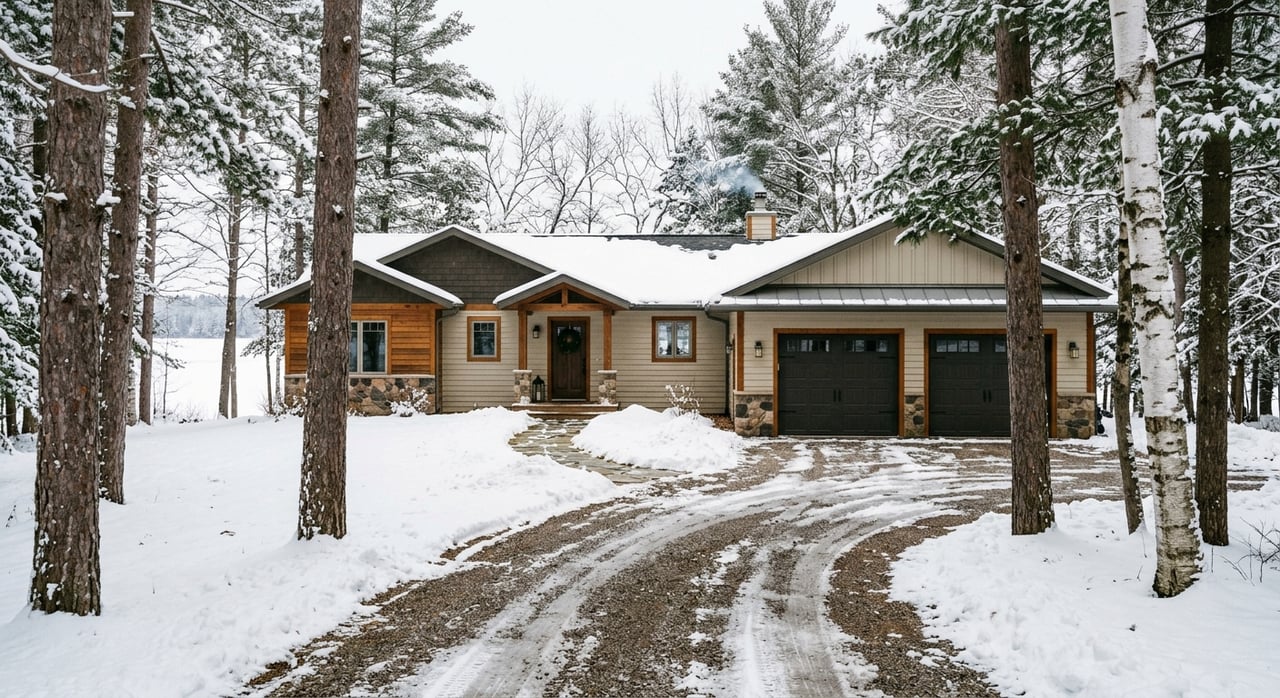
What To Ask A Petenwell Lake Real Estate Agent
April 23, 2026
April 23, 2026
Buying near Petenwell Lake can be exciting, but it also comes with questions you may not run into in a typical home search. A lake property can involve shoreland rules, seasonal access, rental licensing, and county-specific details that affect how you use the property long after closing. If you are planning to buy in the Petenwell area, knowing what to ask your real estate agent can save you time, money, and stress. Let’s dive in.
Petenwell Lake is a large Wisconsin River flowage of about 23,000 acres that touches more than one county. Because of that, the rules, review process, and local contacts tied to a property may depend on exactly where the parcel sits, not just the mailing address. A strong local agent should be ready to help you sort through those details early.
That matters even more on lakefront, off-water access, land, and second-home purchases. You may be thinking about building, adding a dock or shoreline improvements, using the property year-round, or exploring short-term rental use. Each of those goals can raise different questions during your search.
One of the smartest first questions is simple: Which county and town actually govern this property? Petenwell spans Adams, Juneau, and Wood counties, so the right office for zoning or shoreland questions may change from one listing to the next.
Your agent should be able to explain which local office would likely review the parcel and why that matters. This helps you avoid assumptions about permits, setbacks, rental rules, or shoreline work based on a nearby property that may fall under a different jurisdiction.
If you are buying vacant land or a property you may want to expand later, buildability should be near the top of your list. In Wisconsin, shoreland zoning applies within 1,000 feet of a navigable lake or flowage, and statewide minimums include a 75-foot setback from the ordinary high-water mark, a 35-foot vegetation buffer, and minimum lot-size standards. You can review those statewide standards through the Wisconsin DNR shoreland zoning program.
In Adams County, the ordinance also includes lot width and frontage standards, especially for unsewered lots. The county notes that some legally created substandard lots may still be buildable if other ordinance requirements are met, which means a lot that looks challenging is not always a dead end, but it does need review. You can see that framework in the Adams County code provisions on shoreland lots.
A great local agent should not brush past the practical issues that can shape your decision. On lake and rural properties, that often means confirming setback limits, floodplain status, and wastewater or septic considerations before you get too far down the road.
Adams County specifically points buyers to planning and zoning resources for flood information, FEMA maps, and sanitary or POWTS questions. That is a strong signal that these are not minor details. They are part of understanding whether the property fits your plans.
Not every shoreline improvement is simple. If a property already has riprap, a seawall, steps, or other erosion-control features, you want to know what was done and whether it may affect future projects.
According to the Wisconsin DNR shoreline permitting guidance, some shoreline work may require a permit or qualify for an exemption, and local or federal approvals may also be needed. Petenwell is specifically named among flowages where certain breakwater activity requires an individual permit. That makes permit history an important conversation, not an afterthought.
Petenwell is not the same in January as it is in July. The Wisconsin Valley Improvement Company manages the reservoir system, and the operations plan outlines winter flow goals tied to seasonal storage levels. The Wisconsin DNR’s 2023 creel report adds that Petenwell has an annual 5 to 6 foot winter drawdown and notes that only upper-end launches are usable until water levels return near full pool.
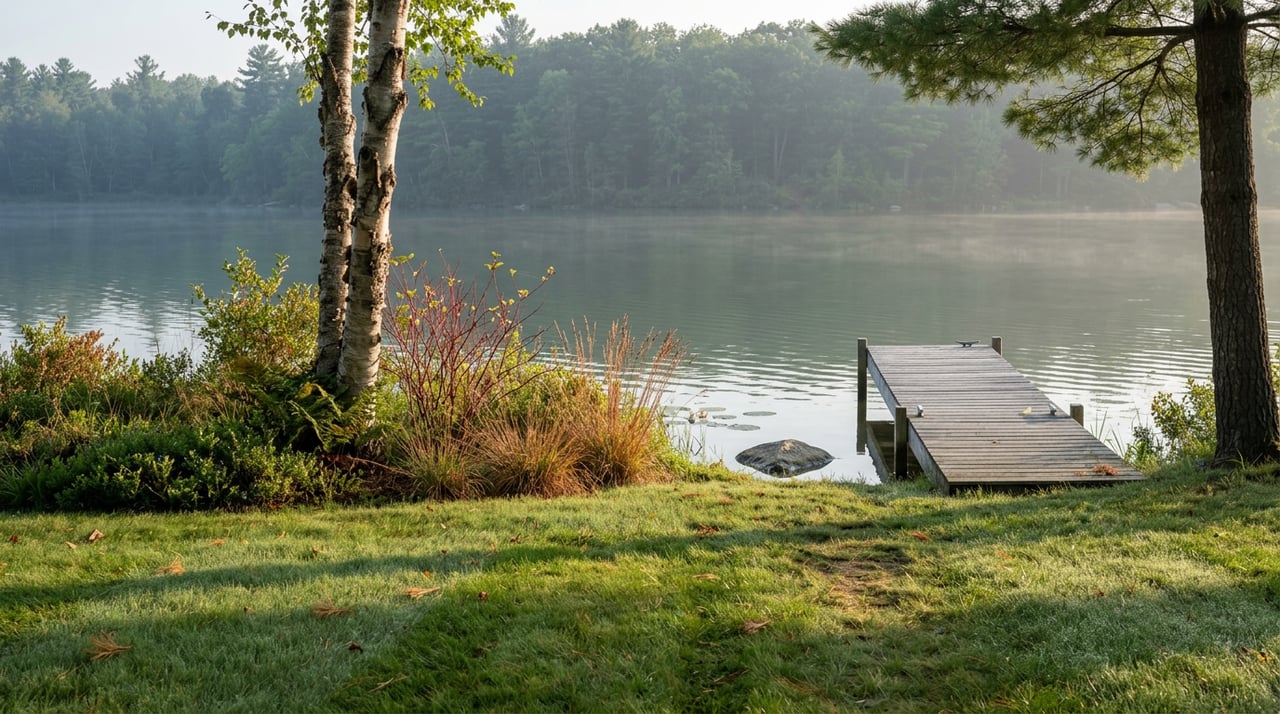
This is one of the most important local-use questions you can ask. A property that feels perfect during summer photos may function very differently in winter or early spring, especially when it comes to docks, lifts, shoreline stairs, and water access.
Some buyers want a summer retreat. Others want a place they can use all year. Those are very different goals, and your agent should help you look past the listing photos.
Adams County states that Petenwell and Castle Rock parks are open year-round, while other day-use parks and public accesses are seasonal. The county also identifies Petenwell and Castle Rock as designated snowmobile load and unload areas with immediate trail access, which may matter if winter recreation is part of your plan.
If you are considering rental income, do not wait until after closing to ask about legality and licensing. In Wisconsin, the DATCP tourist rooming house guidance states that vacation homes, cabins, cottages, homes, and condos rented to tourists or transients generally fall under the lodging permit system.
In unincorporated parts of Adams County, Chapter 335 defines a short-term rental as 29 or fewer consecutive days and says no one may operate a tourist rooming house without a county license. The county requires items such as a resident agent, inspections, proof of insurance, a floor plan, a site plan, and certification that no county or local room tax is due. You can review those rules in the Adams County tourist rooming house code.
Just as important, Adams County notes that its chapter does not apply in towns that have adopted their own ordinance. As of November 11, 2024, Rome and Lincoln had done so, according to the county planning and zoning page. That means the exact town matters.
For buyers coming from outside the area, this is a practical issue that can easily get overlooked. If Adams County Chapter 335 applies, the resident-agent requirement is part of the local compliance process.
An experienced local agent should be able to explain that this is not just a marketing question. It is an operations question tied to lawful use. If rental plans are part of your budget, ask about this before you make an offer, not after.
Maintenance can be just as important as views. Adams County’s shoreline habitat guidance encourages limiting mowing within 35 feet of the water and using native plantings, which shows that shoreline care is tied to water quality and stability, not just appearance.
For you as a buyer, that means asking what upkeep has been done, what erosion issues have come up, and whether future work may require added planning. A lake property can be wonderful, but it often comes with more hands-on decisions than a standard in-town lot.
A good Petenwell Lake real estate agent should do more than unlock doors and schedule showings. They should help you identify the local facts that affect buildability, use, access, and long-term costs.
In this area, the best interview topics usually come back to four things: jurisdiction, shoreland buildability, rental compliance, and winter access. When you ask focused questions in those areas, you put yourself in a much better position to buy with confidence.
If you are looking at Petenwell Lake property and want local guidance that keeps the practical details front and center, connect with Seth Tully. You will get steady, local insight to help you ask the right questions before you buy.
Stay up to date on the latest real estate trends.
Whether helping sellers maximize their home’s value or guiding buyers to the right place to call home, Seth is committed to providing thoughtful, hardworking service that supports a lifestyle to enjoy in every season.