What To Expect When Listing A Juneau County Home
July 9, 2026
July 9, 2026
Wondering what really happens after you decide to sell your Juneau County home? For many sellers, the biggest stress points are pricing, paperwork, showings, and not knowing what comes next. The good news is that when you understand the process ahead of time, listing your home can feel much more manageable. This guide walks you through what to expect when listing a Juneau County home, from early prep to closing day. Let’s dive in.
Juneau County is not a one-size-fits-all housing market. It is a smaller, lower-density county with about 26,649 residents, 15,096 housing units, and a high owner-occupied housing rate of 78.1%. That matters because local pricing trends can shift a lot from one area or property type to another.
Recent market snapshots point to the same big takeaway: price from current local comparables, not broad averages alone. Realtor.com reported a June 2026 median listing price of $349,950, a median sold price of $287,500, 300 active listings, 62 median days on market, and a 98% sale-to-list ratio. Zillow reported a county home value index of $266,440 as of May 31, 2026, which shows why countywide figures should be treated as background rather than a pricing formula.
Local variation across Juneau County is also significant. Realtor.com showed median listing prices ranging from about $252,450 in Elroy to $499,000 in New Lisbon. If you are selling in Mauston, near Castle Rock Lake, by Petenwell, or on rural acreage, your pricing strategy should reflect your exact location, condition, land features, and buyer demand.
Your listing price should come from nearby comparable sales, current competition, and the specific features of your property. That is especially important in Juneau County, where homes, cabins, vacant land, and recreational properties can appeal to very different buyers. A ranch in town and a wooded property with storage for outdoor gear are not likely to be judged the same way.
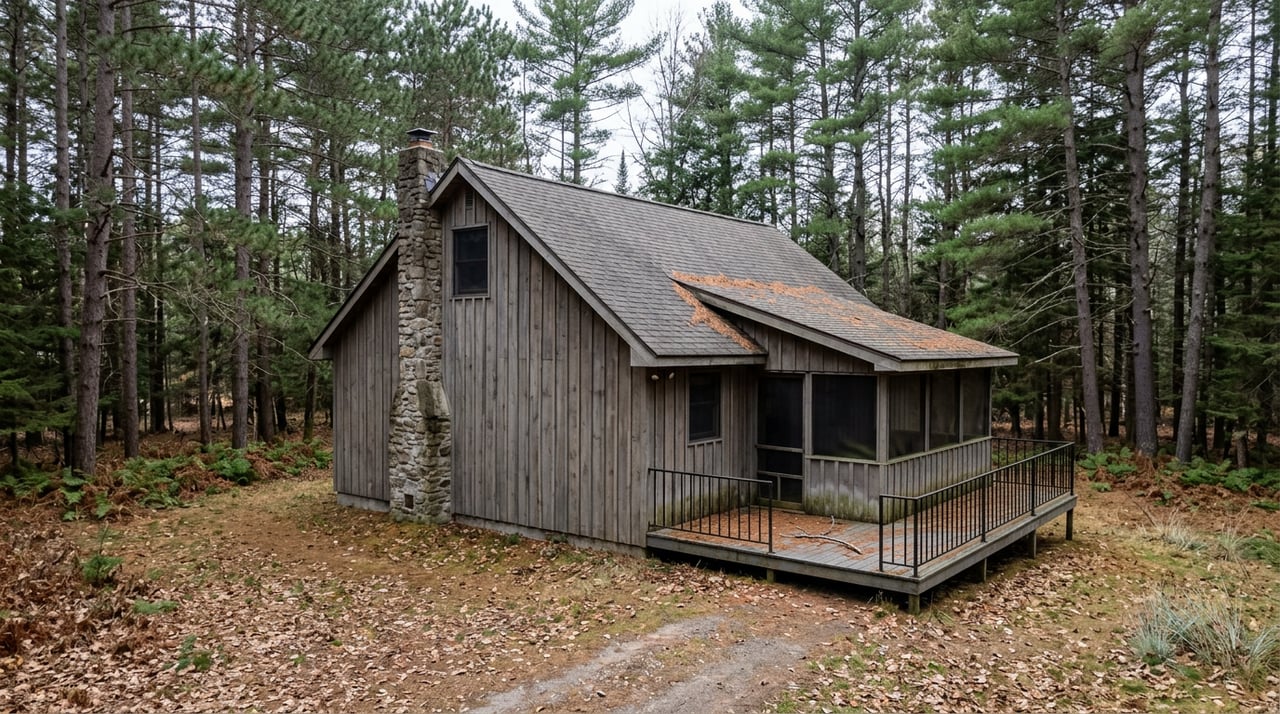
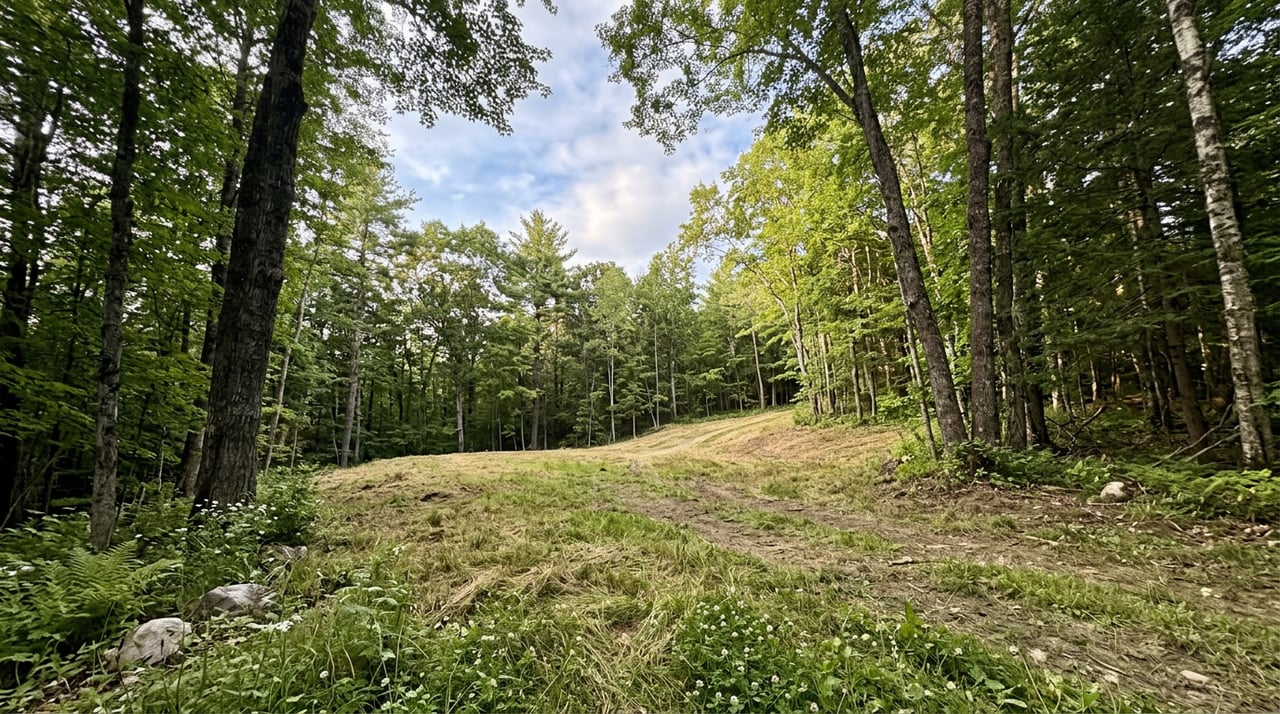
You should also expect your agent to look beyond bedroom and bathroom count. In this market, details like acreage, waterfront or water proximity, driveway layout, garage space, storage, and access can shape buyer interest. For some properties, outdoor use and land characteristics may be just as important as the interior.
One of the first steps in listing a home in Wisconsin is getting the required forms and disclosures in order. Wisconsin’s Real Estate Contractual Forms Library includes the standard Residential Listing Contract, Offer to Purchase, Counter-Offer, and Amendment forms used in many residential transactions. For most one-to-four dwelling unit homes, Wisconsin law may require a Real Estate Condition Report.
If your property has no buildings, a Vacant Land Disclosure Report may be required instead. The state forms also note that buyers can have rescission rights if required disclosure is not delivered on time. In simple terms, getting your disclosure paperwork done early can help you avoid delays later.
If your home was built before 1978, expect one more important disclosure step. Federal law requires disclosure of known lead-based paint or lead-based paint hazards for most pre-1978 housing, along with the EPA lead pamphlet before the sale. For older homes in Juneau County, this is one of the first date-related items to confirm.
Before photos are taken or the home goes into the MLS, it helps to fact-check the property details. Juneau County offers public tools for tax and assessment records, GIS parcel mapping, and land records. These tools can help confirm the parcel, legal description, address details, road access, driveway placement, floodplain areas, wetlands, and recorded items that may affect the sale.
This matters even more for rural, lake, and acreage properties. Buyers may ask detailed questions about easements, access, utilities, or land-use issues. Getting ahead of those questions can make your listing look more polished and help buyers feel confident about moving forward.
Most sellers do not need a full remodel before listing. In many cases, the highest-value prep work is simple and practical. The National Association of Realtors reported in 2023 that 96% of sellers’ agents recommended decluttering, 88% recommended whole-home cleaning, and 83% recommended removing pets during showings.
That lines up well with what works in Juneau County. Clean spaces, clear surfaces, and easy-to-walk rooms help buyers focus on the home itself. If you have a rural property, make sure exterior areas also feel accessible and well presented, including driveways, entry paths, garages, and visible yard boundaries.
You do not have to stage every square foot to make a strong impression. According to the National Association of Realtors, the rooms most commonly staged were the living room, kitchen, primary bedroom, and dining room. Those are smart places to focus your time and energy.
Buyers often make quick judgments from photos and first walk-throughs. The same report found that 89% of sellers’ agents said photos were much more or more important to clients, and 44% said the same about physical staging. Among buyers’ agents, 81% said staging made it easier for buyers to visualize the property as a future home.
Juneau County households have strong computer and broadband access, with Census estimates showing 92.5% computer access and 83.9% broadband access. That supports an online-first approach to listing exposure. In practical terms, you should expect your home’s presentation to rely heavily on strong photography, accurate details, and broad digital visibility.
This is especially important when your likely buyer may not live nearby. Out-of-area buyers looking for lake property, second homes, land, or recreational acreage often start online. Clear listing photos, honest property details, and a strong first impression can help your home stand out before a showing is ever scheduled.
Once your listing is live, the next phase is making it available for buyers to see. The easier your home is to show, the easier it is for serious buyers to act while interest is fresh. That usually means keeping the home clean, limiting clutter, and having a plan for pets and daily routines.
If your property includes special outdoor features, expect those to be part of the showing experience too. In Juneau County, buyers may care about storage for equipment, access to trails or water, driveway usability, and how the land lays out. For some listings, those practical outdoor details can be a major part of the value story.
Buyers in Juneau County may ask broader due diligence questions than buyers in a typical subdivision. Wisconsin’s official forms packet notes that due diligence can include inspections, appraisals, maps, recorded restrictions, easements, zoning ordinances, permits, utility hookup costs, and other development-related items. That can be especially relevant for rural homes, vacant land, lakefront property, and larger acreage.
You should expect questions about the property beyond finishes and square footage. Some buyers may want to know about access, boundary lines, utility availability, wetlands, floodplain areas, or recorded restrictions. Prompt, organized answers can help keep a transaction moving.
When offers come in, the process usually involves more than just the price. Timing, contingencies, financing terms, inspections, and closing dates can all shape which offer is the best fit. Wisconsin’s standard forms include the Offer to Purchase and Counter-Offer, so negotiations often move through a structured paper trail.
This is where preparation pays off. If your pricing is realistic, your disclosures are complete, and your property details are organized, you are in a better position to respond clearly and confidently. That can reduce back-and-forth and help the transaction stay on track.
After you accept an offer, the transaction moves into inspection, financing, title, and closing preparation. Buyers may complete inspections, review maps or recorded issues, and finalize loan approval. In many sales, this is the stage where questions about condition, land, or utility details need fast answers.
Lenders must provide the Closing Disclosure at least three business days before closing. On the seller side, the closing statement can include payoff figures, check disbursements, special stipulations, and the date funds are transferred. While the paperwork can look detailed, the main goal is simple: make sure money, title, and required documents all line up.
In Wisconsin, closing is not just about signing papers. The Wisconsin Department of Revenue says a completed Real Estate Transfer Return and transfer fee payment, if due, are required before the Register of Deeds can accept a conveyance for recording. That means the deed, payoff, transfer return, and recording process need to come together correctly.
The state’s current transfer-return system launched on January 12, 2026, so sellers should expect an electronic filing step as part of the closing workflow. After signing and funding are complete, the closing company, title company, escrow company, or attorney typically submits the mortgage and transfer documents for recording. Once that is done, the sale is officially moving across the finish line.
Listing a Juneau County home usually comes down to a few core steps. Price from local comps, complete the required Wisconsin disclosures early, prepare the home for photos and showings, answer buyer questions promptly, and stay organized through closing. That approach works whether you are selling a home in town, a lake property, or a piece of recreational acreage.
The process feels easier when you have local guidance and a clear plan from the start. If you are thinking about selling and want a realistic picture of timing, pricing, and presentation, Seth Tully can help you move forward with steady advice and professional marketing.
Stay up to date on the latest real estate trends.

Whether helping sellers maximize their home’s value or guiding buyers to the right place to call home, Seth is committed to providing thoughtful, hardworking service that supports a lifestyle to enjoy in every season.