How to Sell Vacant Land in Adams County with Better Prep
June 18, 2026
June 18, 2026
Thinking about selling vacant land in Adams County? The fastest way to lose buyer interest is to leave basic questions unanswered. When buyers cannot quickly figure out access, zoning, recorded restrictions, or whether a parcel may have shoreland or wetland limits, they often pause or move on. The good news is that a little prep can make your land easier to understand, easier to market, and easier to sell. Let’s dive in.
Vacant land is different from selling a house. Buyers cannot walk through finished rooms or picture daily life as easily, so they rely more on maps, records, and clear facts. In Adams County, that is especially true for recreational, wooded, agricultural, and shoreland parcels.
A well-prepared land listing helps buyers answer the questions they usually ask first. It also cuts down on back-and-forth during due diligence. When you have the right documents and property details ready before listing, your marketing can feel more complete and more trustworthy.
Before your property goes live, start with the recorded basics. Pull the current deed, legal description, and any recorded mortgages, liens, or miscellaneous documents from the Adams County Register of Deeds. This gives you a clean foundation for the sale.
Next, confirm the parcel details through Adams County GIS. The county’s GIS tools can help verify parcel boundaries, roadways, zoning and land-use districts, addresses, and current aerial imagery. For land buyers, this information often shapes whether they want to schedule a showing.
If you have a survey or plat, keep that ready too. Adams County Planning & Zoning provides access to plats of survey and land records, and those documents can help buyers better understand boundaries and layout. Even if a buyer still wants their own review, having these items ready shows you are organized.
Buyers often want the parcel number early in the process. They may use it to review tax information, compare maps, or ask questions about the property. Having the current parcel number and tax details ready helps move those conversations along.
In Adams County, the Treasurer directs owners to the county land-records system for tax information. If your land is rural and does not yet have a house or fire number, that is also worth noting up front. A missing address is not unusual for vacant land, but buyers will want to know where that process stands.
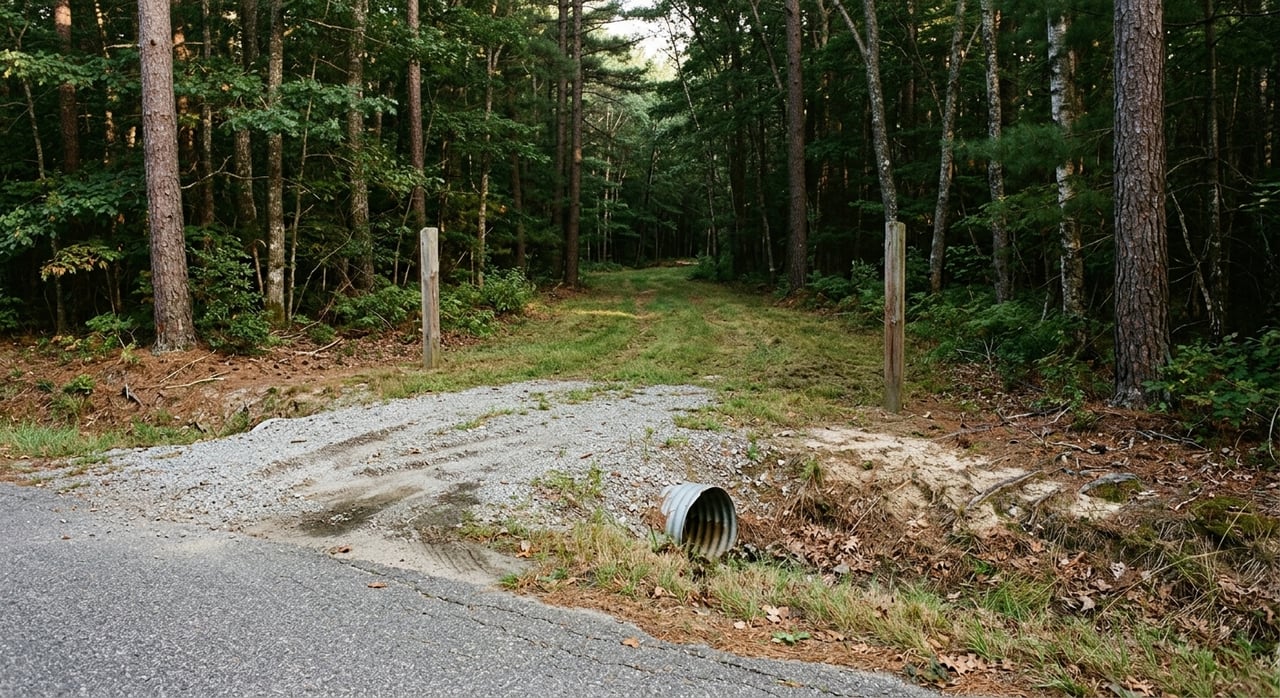
One of the biggest questions with vacant land is simple: how do you legally get to it? If buyers are unsure about access, they may hesitate, even if the parcel itself is appealing. That is why access notes should be part of your prep from day one.
Use county mapping and your records to clarify road frontage, nearby roadways, and any known easements or access points. If the parcel needs a driveway and access is from a county road, Adams County requires a driveway permit for county-road access work. The Highway Department reviews applications with zoning input and an on-site inspection.
If the property does not yet have a house or fire number, the approval steps depend on whether the parcel fronts a state highway, county road, or local road. Adams County asks owners to secure the right road authority approvals before filing with the Treasurer. For buyers, that detail matters because it helps them understand what may need to happen before future use.
A clean first impression matters with land just as much as with a home. That does not mean heavy clearing or expensive improvements. Usually, it means making the parcel easier to locate and easier to walk.
In Adams County, real-estate ground or wall signs up to 8 square feet are allowed without a permit. Larger signs, signs readable from the water, or signs outside the exemption may require county approval and setbacks. If you are planning anything beyond a standard listing sign, check the local rules first.
For wooded or waterfront parcels, keep site prep light and purposeful. Clear only enough brush to show access, trails, frontage, or a likely building area. If the property is near the water, remember that county shoreland vegetation rules restrict cutting within the 35-foot buffer from the ordinary high-water mark, though limited access and viewing corridors may be allowed in some cases.
Many land buyers ask the same core question: what can I do here? The answer often starts with zoning and land-use rules. If you can gather that information before listing, your property will be easier to explain and market.
Adams County GIS can help confirm zoning and land-use districts, and Planning & Zoning is the main local source for zoning-related questions. If your parcel falls in the General Purpose District, county code allows a broad mix of uses, including noncommercial recreation, hunting, fishing, boating, self-contained RV camping, timber-related uses, utility services, and single-family dwellings, subject to county rules and any required permits.
That said, sellers should avoid making broad promises about future use. A better approach is to share the current zoning, provide the available records, and encourage buyers to confirm their plans with Adams County Planning & Zoning. Clear facts build more trust than guesswork.
This is one of the most important prep steps for land in Adams County. If your parcel is near water, low ground, or wetlands, buyers will likely ask whether there are limits on building, clearing, trails, or driveways. Having that information ready can save a lot of time.
Adams County shoreland rules apply to lands within 1,000 feet of navigable lakes, ponds, or flowages and within 300 feet of navigable rivers or streams, or to the landward side of the floodplain, whichever is greater. The county also relies on shoreland and wetland maps, wetland inventory maps, USGS maps, and flood maps as part of its ordinance framework.
Shoreland-wetland areas are tied to the most recent Wisconsin Wetland Inventory maps. If your parcel is near water or includes low or wooded ground, buyers may want to know whether a possible build site, trail, driveway, or clearing area falls inside a regulated area. Having maps ready does not answer every question, but it gives buyers a much better starting point.
It is tempting to do a little extra work before putting land on the market. But with vacant land, even modest site changes can trigger county review. In Adams County, permits may be needed for signs, fences, sanitary systems, filling and grading, land clearing, pond construction, and riprap or other erosion-control structures.
That means it is smart to check first before starting any prep project. What seems minor from a seller’s point of view may affect how the parcel is regulated. In many cases, simple cleanup, accurate marking, and strong documentation do more for marketability than larger physical changes.
If the parcel has a septic system or was improved in the past, pull together whatever records you have. Adams County Planning & Zoning keeps sanitary forms and contact information related to septic pumpers, installers, and soil testers, while private onsite wastewater treatment systems are subject to state review. Even older information can help answer buyer questions.
If there is an active private well, Adams County advises regular testing, with bacteria and nitrate listed as two of the most important routine tests. If there is an old or unused well, the county says it should be properly abandoned, and a licensed plumber is required. These are useful details to sort out before marketing begins.
A smooth land sale usually comes down to how quickly you can answer practical questions. In Adams County, buyers commonly ask whether they can build on the parcel, whether there is legal access, whether a driveway or fire number is already in place, whether there are easements, liens, or recorded restrictions, and whether the property falls in shoreland, wetland, or floodplain territory.
They may also ask whether the parcel can be used for camping, hunting, or timber-related purposes. The more of those questions you can address with maps, documents, and local records, the easier it is for buyers to feel confident. That confidence often leads to stronger interest and fewer delays.
Before listing your Adams County vacant land, try to have these items ready:
You do not need every item for every parcel. But the more complete your information packet is, the easier it becomes to market the property clearly and help buyers move forward.
Land buyers in Adams County often come in looking for something specific, whether that is a future homesite, a recreational retreat, a wooded parcel, or property near the water. They want solid facts, clear presentation, and a realistic picture of what the land offers. When you prepare your parcel before listing, you make that easier for them.
That is also where local guidance matters. From access and zoning to mapping and buyer questions, the details can shape how quickly a property gets attention and how smoothly it gets to closing. If you are getting ready to sell vacant land in Adams County, Seth Tully can help you present it clearly and market it with the local knowledge buyers value.
Stay up to date on the latest real estate trends.


Whether helping sellers maximize their home’s value or guiding buyers to the right place to call home, Seth is committed to providing thoughtful, hardworking service that supports a lifestyle to enjoy in every season.