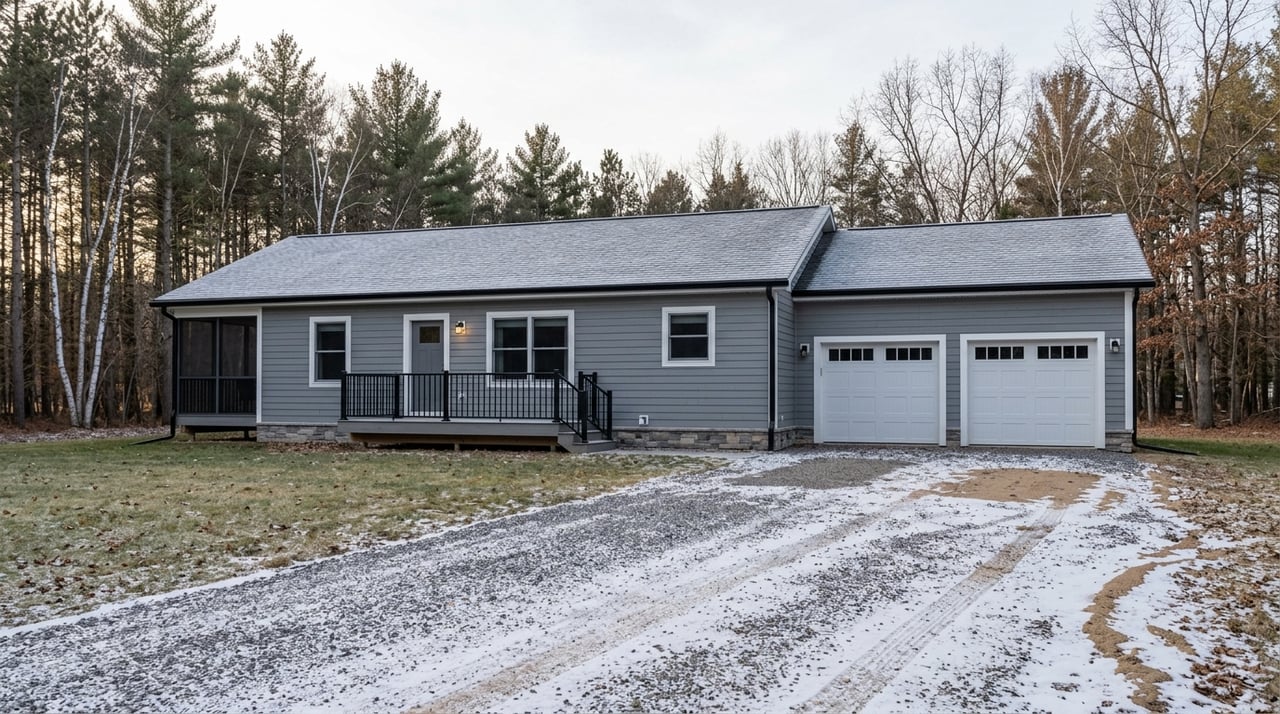
Adams County Recreational Land Lifestyle Guide
June 4, 2026
June 4, 2026
Wondering if you can really live on recreational land in Adams County, or if it only works as a weekend base camp? That is one of the most common questions buyers ask when they start looking at wooded acreage, RV-friendly parcels, or land near trails and water. The short answer is that some recreational land can support longer stays or full-time living, but only if the zoning, access, and sanitation rules line up with how you want to use it. Let’s dive in.
In Adams County, recreational land is not just a casual label used in a listing. The county zoning code treats recreational use as its own land-use pattern, and that matters when you are trying to figure out whether a parcel fits your plans.
The Recreational-Residential District is intended for residential and recreational uses. The county allows uses such as single-family dwellings, camping and camping units, accessory structures, home occupations, and outdoor activities like hiking, fishing, trapping, hunting, swimming, boating, and self-contained recreational vehicle camping.
The county also has a Planned Residential Community district that can include permanent and seasonal dwellings, open space, recreational uses, and compatible commercial uses. In practical terms, that means Adams County has areas where a seasonal setup, getaway property, or more developed recreation parcel may fit, but the exact answer depends on the zoning of that specific property.
If you are looking at recreational land in Adams County, zoning should be one of your first questions, not one of your last. A parcel may look perfect for a camper, a hunting base, or a future cabin, but what you can legally do there depends on the district rules.
Adams County’s Planning and Zoning Department oversees land-use questions tied to density, lot coverage, water quality, flood safety, and related public-welfare concerns. That means your plans for the land are tied to the county’s rules on how the property can actually function.
This is where buyers can get tripped up. A piece of land may feel simple and flexible when you walk it, but using it the way you want may still require review of zoning, sanitary systems, setbacks, or legal access.
This is one of the biggest points of confusion with recreational property. In Adams County, a camper or RV on raw land is not automatically treated as a permanent home.
Where camping is allowed, the county says the unit cannot be a permanent installation. It must stay mobile, and it cannot have skirting or have its hitch or wheels removed.
The county also states that park model trailers and tiny homes are allowed only in licensed campgrounds. So if you are thinking about buying vacant land and setting up a park model or tiny home as a long-term solution, you need to verify whether that plan is actually allowed before you make an offer.
There is also an important sanitation rule for longer stays. If a camping unit stays on a property for more than seven days in a calendar month, it must either connect to a legal septic system sized for at least two bedrooms or connect to a state-approved RV transfer container with a county permit.
A lot of recreational parcels feel great on a showing because of the trees, privacy, or trail access. What makes them truly livable, though, often comes down to utilities and sanitation.
Most rural Wisconsin residents rely on private wells. Well owners are responsible for testing and maintaining their own water supply, and state guidance recommends annual testing, especially for bacteria and nitrate.
Onsite wastewater matters just as much. Wisconsin regulates private onsite wastewater treatment systems, and Adams County says all new or replacement POWTS or non-plumbing sanitation systems must be inspected and approved before they can be used.
For you as a buyer, the takeaway is simple: recreational land has to work on paper as well as it works in the woods. Before you assume a parcel can support weekend camping, long seasonal stays, or full-time use, confirm the well and septic setup or the feasibility of installing them.
A beautiful parcel is not always an easy parcel to use. Adams County’s code says land can be rejected for development if it is unsafe because of flooding, runoff, poor drainage, adverse soils or rock, unfavorable topography, low bearing strength, or erosion concerns.
The code also generally requires lots to front on a public street. That may sound like a minor detail, but legal access and frontage can have a major effect on whether you can build, camp, or use the land the way you planned.
This is especially important with wooded acreage that looks private and remote. Before moving forward, you want to know not just where the land is, but how it is accessed and whether the parcel’s physical conditions support your intended use.
Living on or regularly using recreational land in Adams County tends to follow the seasons. That is part of the appeal, but it also means the property may feel very different throughout the year.
Adams County Forest supports activities like hunting, trapping, berry and mushroom picking, bird watching, hiking, and sightseeing. The entire forest is open for regulated hunting, and temporary hunting stands must be removed after each use.
The county also maintains 32 miles of off-road ATV/UTV trails. Those trails are posted with a May 1 opening and October 31 closing, while signed road routes are typically open year-round depending on local municipal ordinances.
That local detail matters. ATV/UTV legality can change when you cross township lines, and ATV/UTVs are not allowed on snowmobile trails. If trail riding is part of your plan, you need to verify the route for that exact area rather than assume access works the same countywide.
For many buyers, recreational land is about evenings outside, campfires, and time with family or friends. In Wisconsin, campfires and bonfires are generally allowed for cooking, ceremonies, or recreation unless emergency burning restrictions are in effect.
That said, local ordinances may be stricter. So while fire use is often part of the everyday routine on a recreational parcel, you still need to stay aware of current restrictions and any local rules that apply where the property is located.
This is a good example of how recreational ownership works in real life. The land may offer flexibility and freedom, but it also comes with seasonal rules and local oversight that shape how you use it.
If you are considering living on recreational land in Adams County, do not overlook winter. County climate data show average snowfall of 43 inches, which can make access, plowing, storage, and day-to-day travel much more important than they seem during a summer showing.
A parcel that feels easy in July may feel very different in January. Driveways, road maintenance, equipment storage, and how often you plan to be there all become bigger pieces of the decision.
This is one reason local guidance matters with recreational property. The best parcel for you is not just about price or acreage. It is about how the property functions across all four seasons.
Before you make an offer on recreational land in Adams County, it helps to slow down and confirm the basics. A quick check now can save you from expensive surprises later.
Here are some of the most important questions to ask:
Adams County’s Planning and Zoning office handles zoning, building, sanitary permit status, setback questions, and general land-use questions. For many buyers, that is the key source for confirming whether a parcel matches the way they want to use it.
Living on recreational land in Adams County can be a great fit if you want a more outdoors-focused lifestyle with room to hunt, ride, relax, camp, or build around the seasons. But the right property is not just the one with the best trees, trail access, or privacy. It is the one where zoning, sanitation, access, and seasonal use all support your plans.
If you are comparing parcels, it helps to have someone who understands both the local lifestyle and the practical side of land purchases. If you want help evaluating recreational land in Adams County or nearby areas, connect with Seth Tully for straightforward local guidance.
Stay up to date on the latest real estate trends.
Whether helping sellers maximize their home’s value or guiding buyers to the right place to call home, Seth is committed to providing thoughtful, hardworking service that supports a lifestyle to enjoy in every season.