Choosing In Town Or Rural Living In Juneau County
July 2, 2026
July 2, 2026
Wondering whether you should buy in town or head for the quiet of the countryside in Juneau County? It is a common choice here, and the right answer depends on how you want to live day to day. If you are weighing convenience against space, this guide will help you compare the trade-offs with more confidence. Let’s dive in.
Juneau County gives you two very different living experiences within one market. The county is spread across 767.08 square miles, with an estimated 26,649 residents in 2025. That works out to about 34.8 people per square mile, which helps explain why even small changes in location can change your lifestyle in a big way.
The county includes communities like Mauston, New Lisbon, Necedah, Elroy, Lyndon Station, Wonewoc, Warrens, Wyeville, Oxford, and Westfield. These are not large urban centers. Instead, they function more like small service hubs surrounded by open land, wooded areas, and water-oriented recreation.
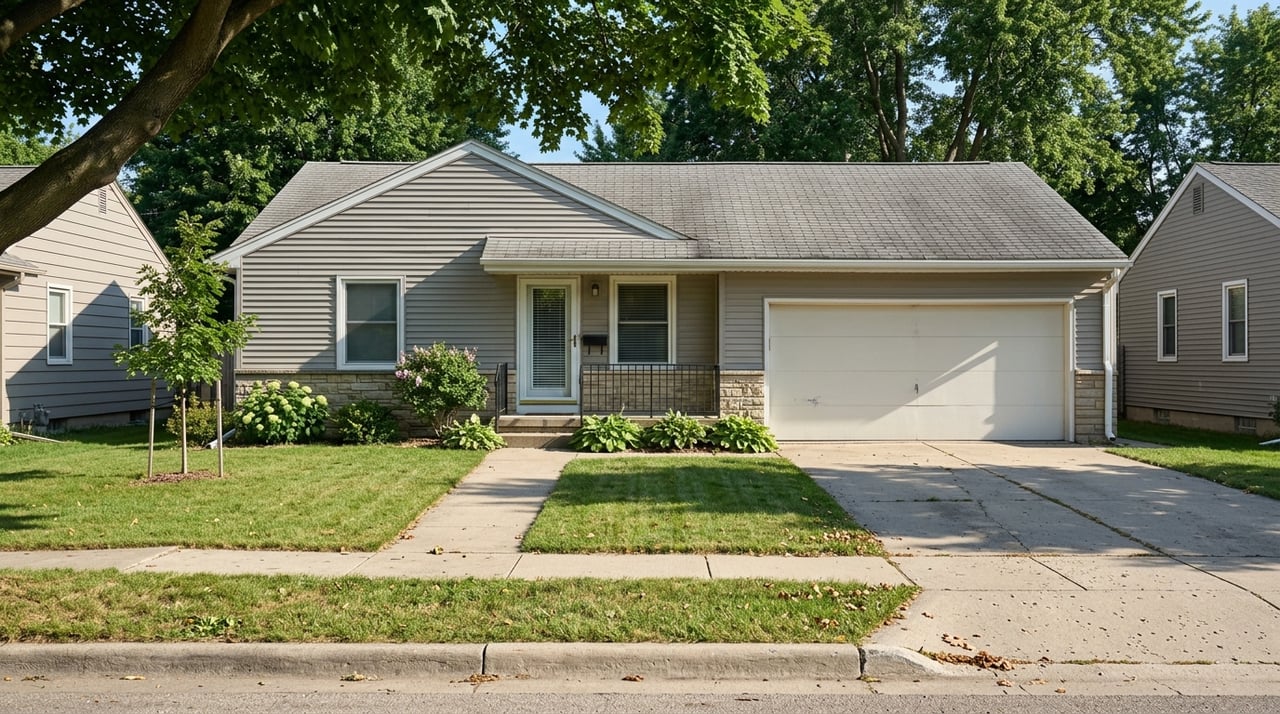
If you want a simpler daily routine, living in town may be the better fit. In Juneau County, Mauston is the clearest example of an in-town option with a fuller set of municipal services. For many buyers, that means less guesswork and easier access to everyday essentials.
Mauston describes itself as a full-service municipality. It provides police and fire protection, public works, water and wastewater utilities, solid waste collection, curbside recycling, parks and recreation, planning and zoning services, and a small airport. That kind of infrastructure can make daily life feel more predictable and manageable.
In-town living can also mean shorter trips for errands and appointments. Mauston lists key community resources including Hatch Public Library, Western Technical College’s Mauston campus, and Mile Bluff Medical Center. Mile Bluff says it operates the only hospital in Juneau County and offers 24-hour emergency care at its Mauston facility.
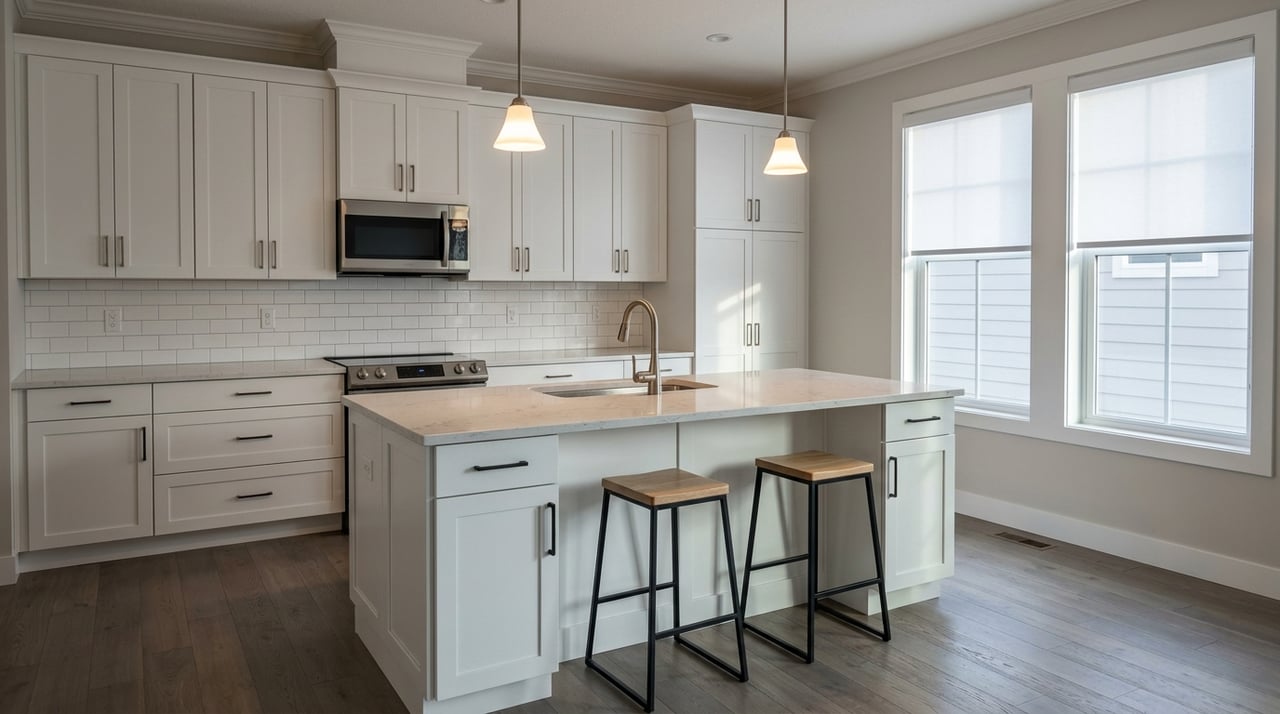
You may like an in-town property if you want to stay closer to services and spend less time driving. That can be especially appealing if your routine includes regular errands, appointments, or community activities. A more compact setting can also make it easier to stay connected to the places you visit most often.
In-town homes may also appeal if you want municipal water and wastewater service instead of managing private systems. That does not make one option better than the other. It simply means the maintenance and due diligence often look different.
If space and privacy matter most, rural living may feel like a natural fit. Juneau County’s low density means homes outside towns and villages often have more separation, wider views, and a stronger connection to the landscape. That can be a big draw for buyers looking for land, recreation, or a quieter setting.
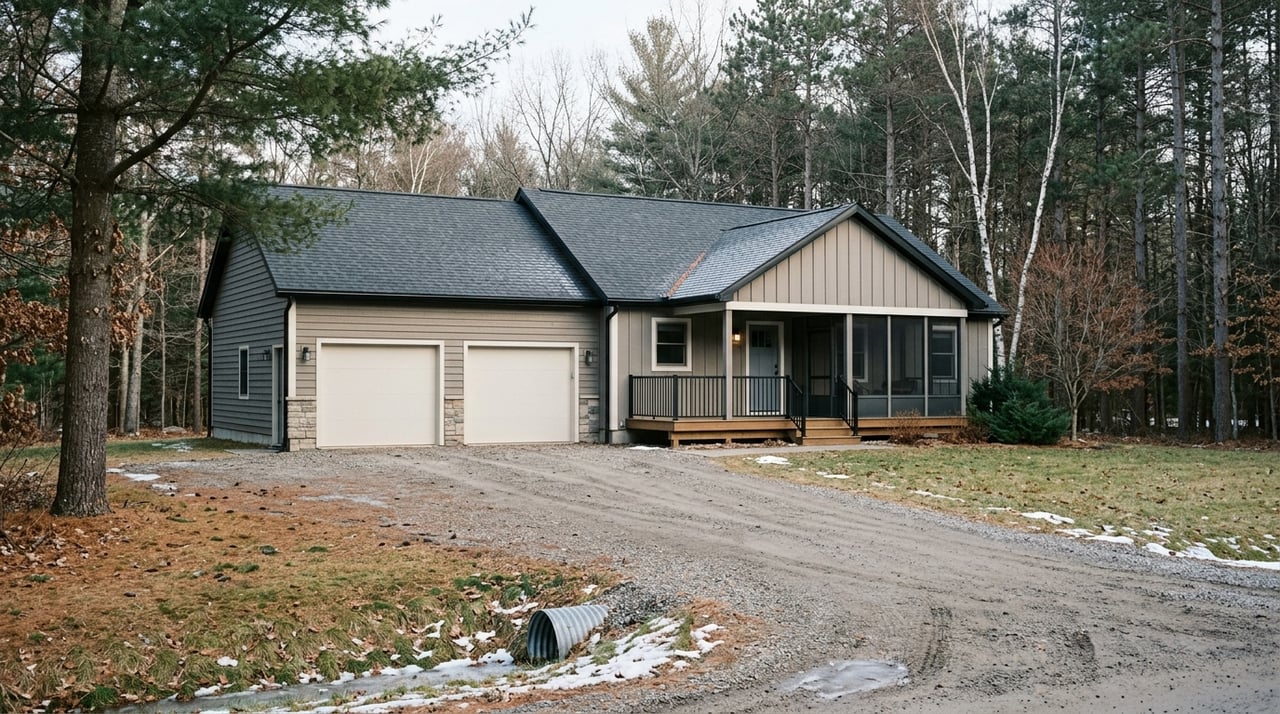
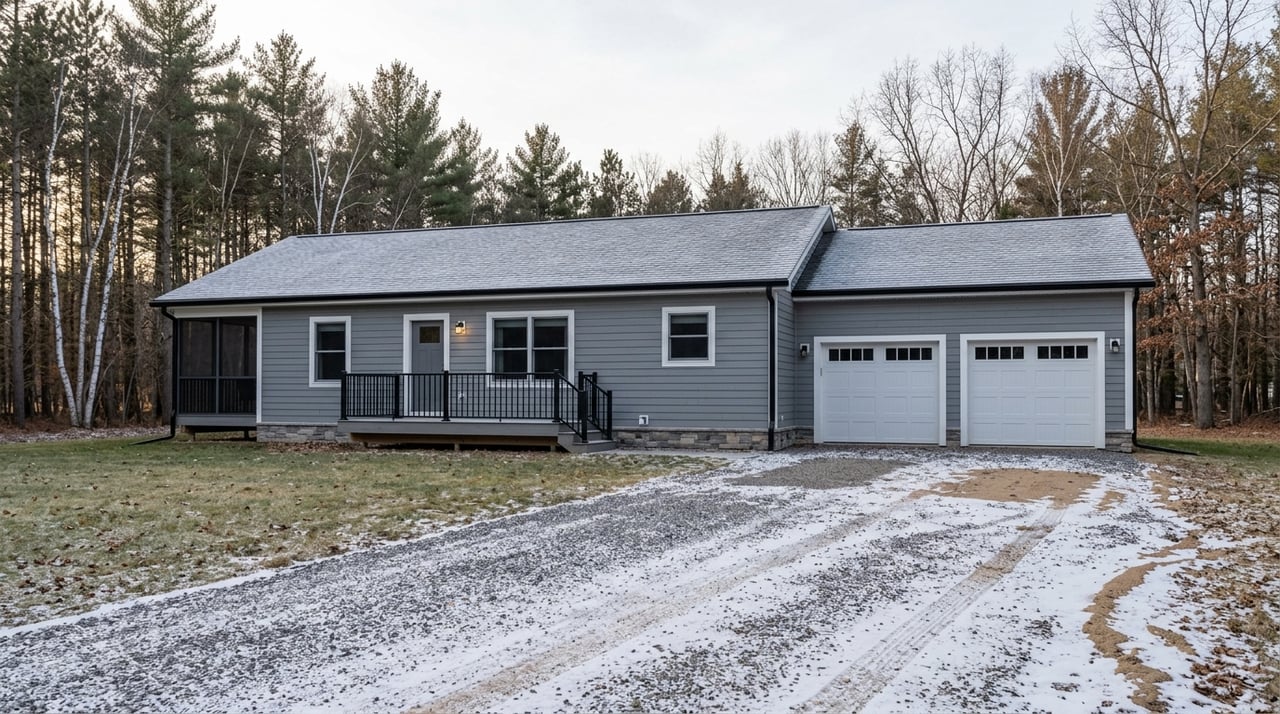
Rural homes often give you more room to spread out. You may find larger lots, wooded acreage, open fields, or properties with easier access to outdoor recreation. In Juneau County, that lifestyle is part of the appeal for buyers looking at vacant land, hobby property, or a weekend retreat.
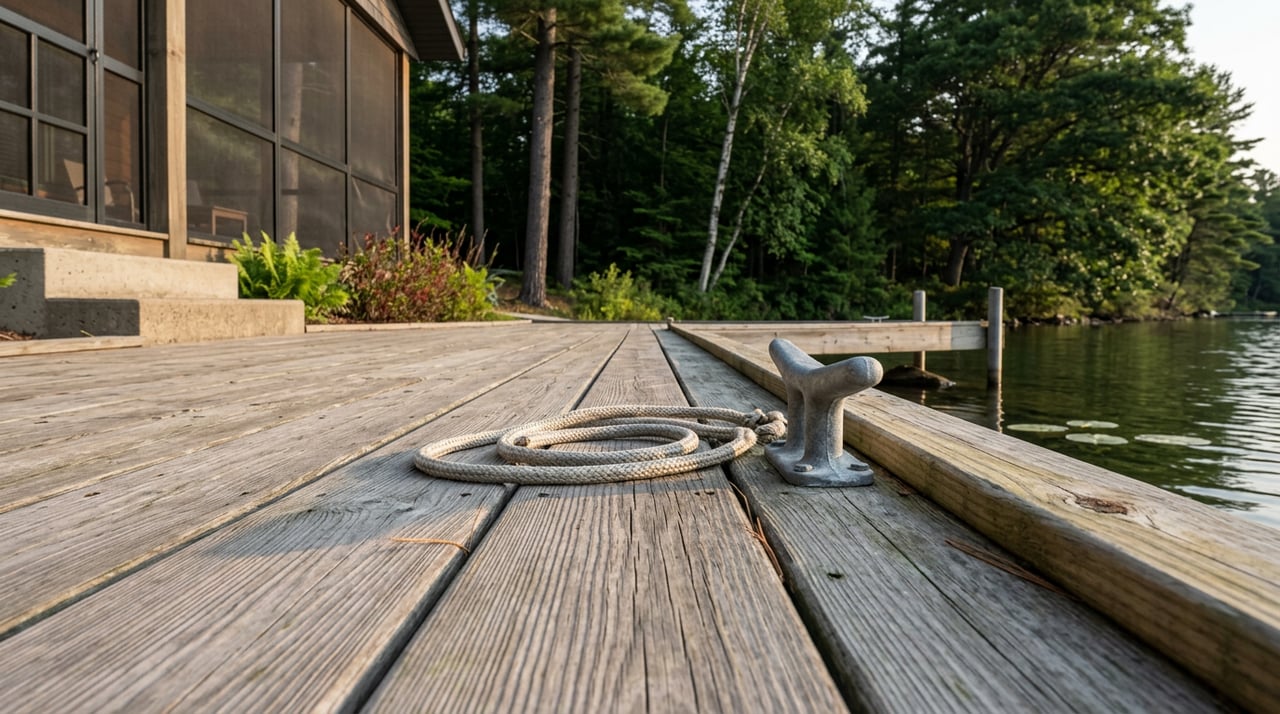
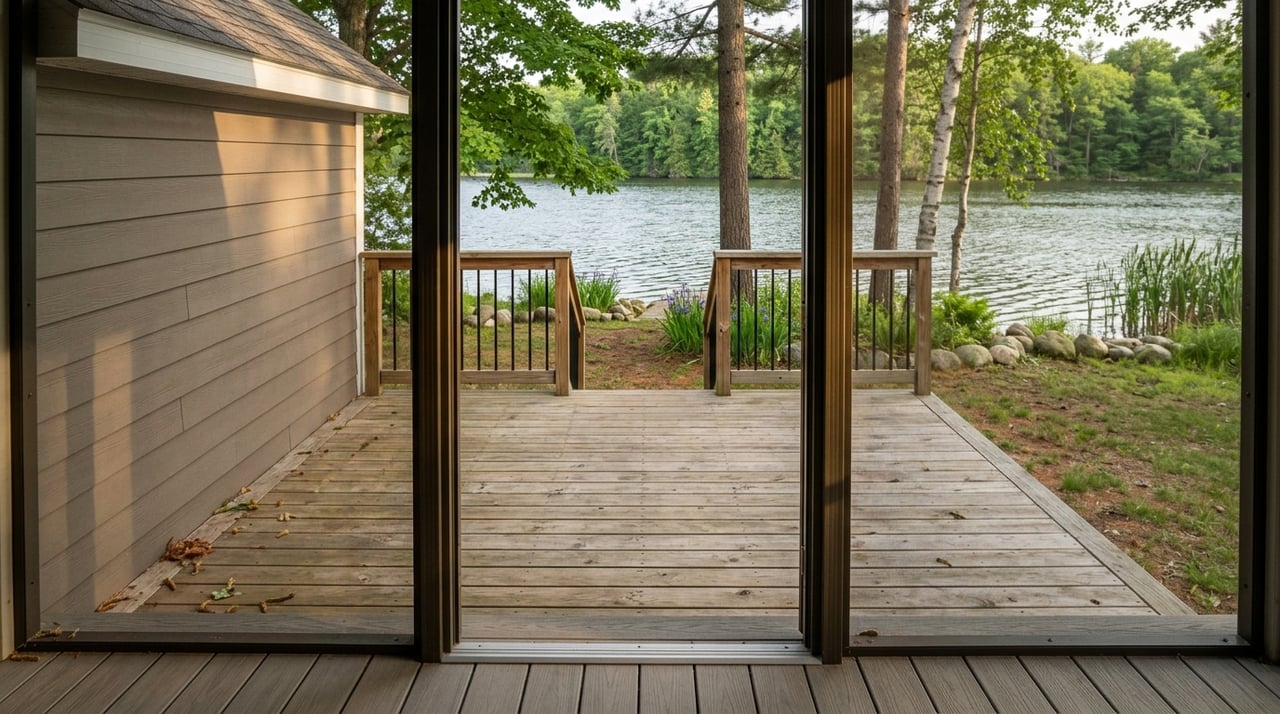
Lake-adjacent and recreation-oriented areas are also a major part of the local market. Buckhorn State Park and the nearby wildlife areas on Castle Rock Flowage offer camping, canoe access, fishing, hiking, and hunting opportunities. In the Mauston area, county lettered roads are also open to ATV and UTV use, with some posted exceptions.
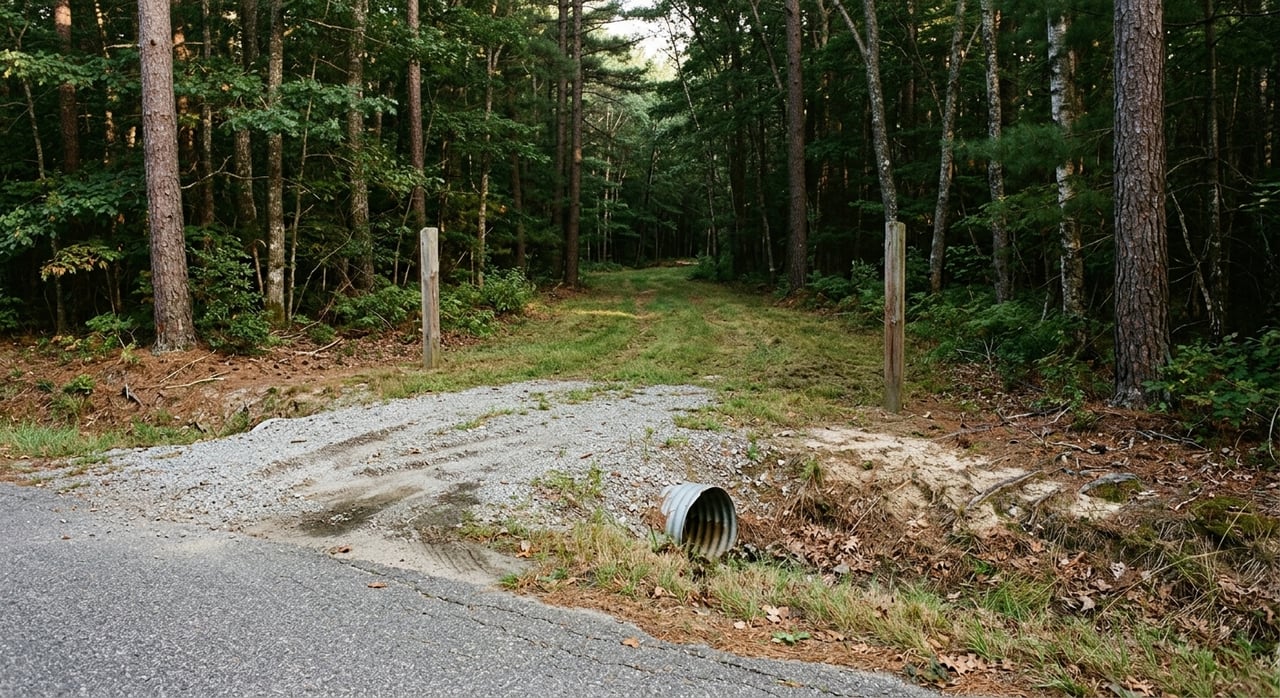
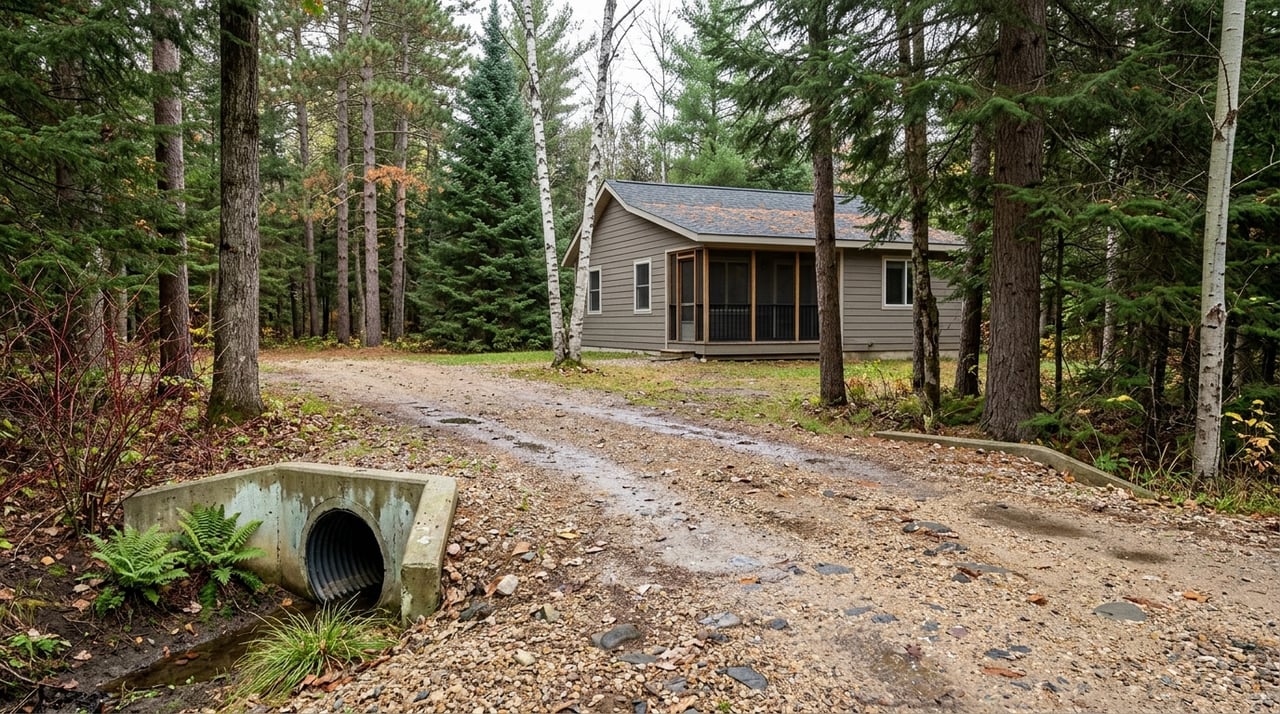
Rural real estate is rarely one-size-fits-all. Juneau County’s GIS shows that roads, driveways, floodplain, wetlands, streams, lakes, rivers, and utility territories can vary widely from one parcel to the next. Two properties that seem similar online may have very different practical details.
That is why rural buyers often need to look beyond the home itself. Access, utility setup, land features, and any water-related rules can all shape how a property works for your plans. This is especially true if you are considering vacant land, acreage, or lake-adjacent property.
One of the biggest differences between in-town and rural living is how the property is served. This affects your costs, your maintenance responsibilities, and the questions you should ask before you buy.
In town, you are more likely to have municipal water and wastewater utilities. In a rural setting, a home may rely on a private well and an onsite wastewater system. Wisconsin DHS says the well owner is responsible for maintaining a private well, unlike a public water system.
If a property is not connected to municipal sewer, you should confirm what type of onsite wastewater system is in place. This is a standard part of rural due diligence. It is also one reason why rural homes can require a more detailed review before closing.
Do not assume an address in the county will have the same service mix as a property in Mauston. The Wisconsin Broadband Map allows address-level searches, and Juneau County’s GIS includes utility territory layers. That makes it important to verify service at the specific property you are considering.
This matters whether you work from home, stream heavily, or simply want reliable day-to-day service. It is a practical step that can save you from surprises later. In a market with town lots, rural acreage, and lake corridors, address-specific checks are worth the time.
Your drive times can change quickly depending on where you buy. That is one of the biggest day-to-day differences between in-town and rural living in Juneau County.
Mauston sits on Interstate 90/94, which gives it direct access to a major travel corridor. If you want easier highway access and quicker trips to core services, an in-town location may offer a more convenient setup. That can be a real advantage for commuting, errands, and appointments.
The county is also connected by US 12, WIS 16, WIS 58, WIS 80, WIS 82, and other local routes. Rural properties often mean more driving on local roads before you reach the interstate or a service center. For some buyers, that is a small trade for more space and privacy. For others, it becomes a deciding factor.
If you are drawn to a property near a lake or stream, your due diligence should go a step further. Water-adjacent living can be beautiful and enjoyable, but it also comes with added review.
Wisconsin shoreland zoning rules can apply within 1,000 feet of navigable lakes or 300 feet of navigable streams or floodplain areas. Counties may also add standards. In practical terms, that can affect setbacks, vegetation, and how a lot is laid out.
This does not mean a lake-adjacent property is harder to own. It means you want a clear understanding of what the parcel allows before you commit. That is especially important if you are thinking about changes to the site, a future outbuilding, or long-term use plans.
Here is a quick side-by-side view of the lifestyle trade-offs many buyers consider.
| Factor | In-Town Living | Rural Living |
|---|---|---|
| Access to services | Typically closer to errands, library, medical care, and municipal offices | Often requires more driving |
| Utilities | More likely to have municipal water and wastewater | May rely on private well and onsite wastewater |
| Privacy and space | Usually more compact lots and closer neighbors | Typically more separation and open land |
| Property review | Often more straightforward infrastructure | More parcel-specific checks for access, wetlands, floodplain, and utilities |
| Recreation feel | Convenient home base near town services | Strong draw for woods, water, ATV/UTV routes, and outdoor use |
The best question is not whether in-town or rural living is better. The better question is which trade-off matters more to you. In Juneau County, the balance can shift quickly once you move outside a village or closer to a lake or wooded corridor.
If you want municipal infrastructure, shorter drives, and a more service-centered routine, in-town living may be the right choice. If you want privacy, open space, and a property that supports recreation or land use goals, rural living may be worth the added due diligence.
A local guide can help you sort through those details before you get too far down the road. If you are comparing homes in Mauston, small-town properties, acreage, or lake-adjacent listings, working with someone who understands Juneau County can make the process feel much clearer.
If you are weighing in-town versus rural living in Juneau County, Seth Tully can help you compare properties, understand local trade-offs, and find the fit that matches your goals.
Stay up to date on the latest real estate trends.
Whether helping sellers maximize their home’s value or guiding buyers to the right place to call home, Seth is committed to providing thoughtful, hardworking service that supports a lifestyle to enjoy in every season.